


Rhinoplasty
- What is Rhinoplasty?
- Benefits and Goals of Rhinoplasty
- Understanding Nasal Anatomy
- Types of Rhinoplasty
- Surgical Techniques: Open vs. Closed Rhinoplasty
- Your Rhinoplasty Consultation
- Ideal Candidates for Rhinoplasty
- Preparing for Rhinoplasty Surgery
- The Rhinoplasty Procedure
- Rhinoplasty Recovery Timeline
- Post-Operative Care and Instructions
- Combination Procedures
- Before and After Gallery
- Why Choose Dr. Stafford Broumand for Your Rhinoplasty
- Patient Testimonials
- Frequently Asked Questions About Rhinoplasty
Considering rhinoplasty to enhance your nose’s appearance or improve your breathing? Dr. Stafford Broumand, a Harvard-trained, board-certified plastic surgeon at 740 Park Plastic Surgery in Manhattan, specializes in creating natural-looking results that harmonize with your unique facial features. With over 30 years of experience and recognition as a Castle Connolly Top Doctor for 14 consecutive years, Dr. Broumand combines surgical precision with artistic vision to deliver transformative outcomes for patients throughout New York City, Manhattan, and the surrounding areas.
Whether you’re seeking primary rhinoplasty, revision rhinoplasty, or a procedure to address breathing difficulties, our practice offers personalized consultations and state-of-the-art surgical techniques tailored to your aesthetic goals and functional needs.
- What is Rhinoplasty?
- Benefits and Goals of Rhinoplasty
- Understanding Nasal Anatomy
- Types of Rhinoplasty
- Surgical Techniques: Open vs. Closed Rhinoplasty
- Your Rhinoplasty Consultation
- Ideal Candidates for Rhinoplasty
- Preparing for Rhinoplasty Surgery
- The Rhinoplasty Procedure
- Rhinoplasty Recovery Timeline
- Post-Operative Care and Instructions
- Combination Procedures
- Before and After Gallery
- Why Choose Dr. Stafford Broumand for Your Rhinoplasty
- Patient Testimonials
- Frequently Asked Questions About Rhinoplasty
What is Rhinoplasty?
Rhinoplasty, commonly known as a nose job, is a surgical procedure that reshapes the nose to improve its appearance, function, or both. The procedure involves carefully altering the bone, cartilage, and skin of the nose to achieve your desired aesthetic goals while maintaining natural proportions and facial harmony.1
Rhinoplasty can address a wide range of concerns, including:
- A bridge that is too high, low, or crooked
- A nasal tip that is too large, drooping, or poorly defined
- Nostrils that are too wide or asymmetrical
- A deviated septum that impairs breathing
- Nasal humps or irregularities from previous injury
- Overall nasal size that is disproportionate to facial features
At 740 Park Plastic Surgery in Manhattan, we recognize that each patient’s nose is unique. Dr. Broumand takes time to understand your specific concerns and works collaboratively to develop a surgical plan that aligns with your realistic expectations and enhances your natural beauty.
Benefits and Goals of Rhinoplasty
Rhinoplasty offers both aesthetic and functional benefits. Many patients seek this procedure to improve their self-confidence and facial balance, while others prioritize breathing improvement and nasal function.
Aesthetic Benefits
A well-executed rhinoplasty can:
- Create better facial proportions and balance
- Enhance your profile and frontal appearance
- Refine the nasal tip and bridge
- Improve symmetry and overall facial harmony
- Boost self-confidence and self-esteem
Functional Benefits
Beyond aesthetics, rhinoplasty can address medical concerns:
- Correct a deviated septum that obstructs airflow
- Improve nasal breathing and reduce sleep apnea symptoms
- Repair nasal damage from injury or trauma
- Enhance post-operative results when combined with septoplasty
Dr. Broumand’s approach emphasizes achieving natural-looking results that preserve your unique identity while addressing your specific concerns. As he often tells patients, “The goal of rhinoplasty is not to create a perfect nose, but to create your perfect nose, one that looks natural and enhances your overall facial features.”
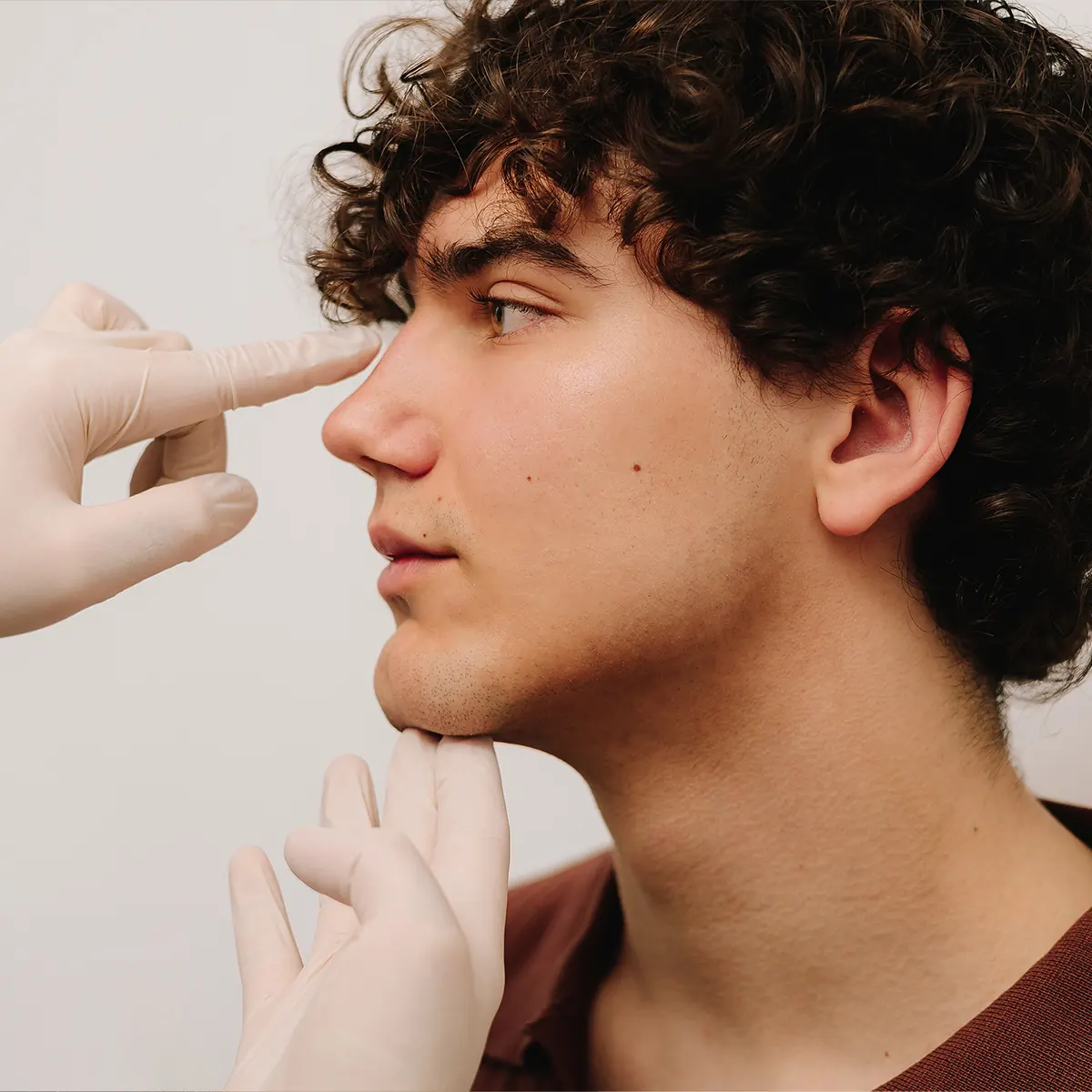
Understanding Nasal Anatomy
To appreciate how rhinoplasty works, it’s helpful to understand the basic structure of the nose. The nose consists of three main components:
Bone and Cartilage Framework
The upper portion of the nose is supported by bone, while the lower two-thirds are supported by cartilage. This framework provides structural support and determines the nose’s overall shape and projection.
Skin and Soft Tissue
The skin covering the nose varies in thickness across different regions. The thicker skin on the nasal tip can sometimes mask subtle refinements, while thinner skin on the bridge may show more definition. Dr. Broumand considers these anatomical variations when planning your procedure.
Nasal Septum
The septum is the wall of bone and cartilage that divides the nasal cavity into two passages. A deviated septum can obstruct airflow and may be corrected during rhinoplasty through a procedure called septoplasty.
Understanding these structures helps explain why rhinoplasty requires both technical skill and artistic vision. Dr. Broumand’s training in craniofacial surgery at prestigious institutions, including Massachusetts General Hospital and Necker Hospital in Paris under renowned surgeon Daniel Marchac, provides him with deep expertise in nasal anatomy and reconstruction.
Types of Rhinoplasty
Primary Rhinoplasty
Primary rhinoplasty is performed on patients who have never had nose surgery. This procedure allows Dr. Broumand to work with the nose’s natural anatomy to achieve your desired results. Whether you’re addressing a lifelong concern or seeking subtle refinement, primary rhinoplasty can be customized to your specific goals.
Revision Rhinoplasty
Revision rhinoplasty addresses unsatisfactory results from a previous nose surgery. This procedure is more complex than primary rhinoplasty because it requires working with altered anatomy and scar tissue. Dr. Broumand’s extensive experience with revision cases makes him a trusted choice for patients seeking improvement after previous procedures.
Functional Rhinoplasty and Septoplasty
Functional rhinoplasty focuses on improving nasal breathing and correcting structural problems like a deviated septum. Septoplasty, often performed alongside cosmetic rhinoplasty, straightens the nasal septum to improve airflow. Many patients benefit from combining functional and aesthetic improvements in a single procedure.
Ethnic Rhinoplasty
Dr. Broumand recognizes that nasal aesthetics vary across different ethnic backgrounds. Ethnic rhinoplasty respects cultural preferences and natural nasal characteristics while addressing your specific concerns. This approach ensures results that look natural and harmonize with your facial features and heritage.
Male Rhinoplasty
Male rhinoplasty requires a specialized approach that maintains masculine nasal characteristics while addressing aesthetic or functional concerns. Dr. Broumand understands the importance of preserving strength and definition in the male nose while achieving your desired improvements.
Surgical Techniques: Open vs. Closed Rhinoplasty
Dr. Broumand employs both open and closed rhinoplasty techniques, selecting the approach that best suits your anatomy and surgical goals.
Closed Rhinoplasty
In closed rhinoplasty, all incisions are made inside the nose, leaving no visible scars. This approach is ideal for patients requiring subtle refinements and offers a shorter operative time with potentially faster healing. The closed technique limits visibility of internal structures, making it best suited for straightforward cases.
Open Rhinoplasty
Open rhinoplasty involves a small incision across the columella, the tissue between the nostrils. This approach provides Dr. Broumand with direct visualization of nasal structures, allowing for more precise reshaping and complex corrections. While it results in a small external scar, this scar typically fades significantly over time and is rarely noticeable.
Cartilage Grafting
For patients requiring structural support or augmentation, Dr. Broumand may harvest cartilage from the septum, ear, or rib to create grafts. These grafts can strengthen the nasal bridge, refine the tip, or correct asymmetries. Cartilage grafting is particularly valuable in revision rhinoplasty and complex primary cases.
Your Rhinoplasty Consultation
Your consultation with Dr. Broumand is a crucial first step in your rhinoplasty journey. During this appointment, you’ll discuss your aesthetic goals, medical history, and any functional concerns.
What to Expect
- Detailed facial analysis and nasal assessment
- Discussion of surgical options and techniques
- Review of before and after photos from similar cases
- Honest assessment of realistic outcomes
- Opportunity to ask questions and address concerns
- Development of a personalized surgical plan
Preparing for Your Consultation
To make the most of your consultation, consider:
- Bringing photos of noses you admire (to communicate your aesthetic preferences)
- Listing any breathing difficulties or functional concerns
- Discussing your medical history and current medications
- Preparing questions about recovery, results, and risks
Dr. Broumand believes in transparent communication and realistic expectations. He will explain what rhinoplasty can and cannot achieve, ensuring you feel confident and informed before proceeding with surgery.

Ideal Candidates for Rhinoplasty
The best candidates for rhinoplasty are:
- In good overall health with no serious medical conditions
- Non-smokers or willing to quit smoking before and after surgery
- Have realistic expectations about surgical outcomes
- Are at least 16-18 years old (when nasal growth is complete)
- Seek improvement for personal reasons, not external pressure
- Have specific aesthetic or functional goals they can articulate2
If you have breathing difficulties, a deviated septum, or previous nasal trauma, you may be an excellent candidate for functional rhinoplasty. Dr. Broumand will assess your individual situation during your consultation.
Preparing for Rhinoplasty Surgery
Proper preparation is essential for optimal surgical outcomes and smooth recovery. Dr. Broumand provides detailed pre-operative instructions, including:
Medical Preparation
- Complete pre-operative blood work and medical clearance
- Discontinue blood-thinning medications (aspirin, ibuprofen, certain supplements) 1-2 weeks before surgery
- Avoid smoking and nicotine products for at least 2 weeks before and after surgery
- Arrange for a responsible adult to drive you home and stay with you for 24 hours post-operatively
Lifestyle Adjustments
- Plan time off work (typically 1-2 weeks for initial recovery)
- Arrange childcare or household help if needed
- Stock your home with soft foods, ice packs, and saline rinse supplies
- Wear loose, button-front clothing on surgery day for easy dressing
Mental Preparation
- Review your surgical plan and goals
- Discuss any anxieties or concerns with Dr. Broumand
- Understand the recovery timeline and realistic expectations
- Arrange support from family or friends during recovery
The Rhinoplasty Procedure
Rhinoplasty is typically performed under general anesthesia or twilight sedation, depending on the complexity of your case. The procedure usually takes 2-3 hours, though more complex cases may require additional time.
Surgical Steps
- Anesthesia Administration: You’ll receive general anesthesia or twilight sedation to ensure comfort throughout the procedure.
- Incision Placement: Dr. Broumand makes incisions either inside the nose (closed approach) or across the columella (open approach), depending on your surgical plan.
- Tissue Reshaping: The bone and cartilage are carefully reshaped to achieve your desired aesthetic and functional goals. This may involve reducing, augmenting, or repositioning nasal structures.
- Cartilage Grafting (if needed): If structural support is required, cartilage grafts are harvested and positioned to strengthen or refine specific areas.
- Closure: Incisions are closed with fine sutures, and a splint is applied to support the new nasal shape during initial healing.
- Dressing Application: Nasal packing or soft dressings may be placed to control bleeding and support healing.

Rhinoplasty Recovery Timeline
Recovery from rhinoplasty is a gradual process. Understanding what to expect at each stage helps you plan accordingly and manage your expectations.
Days 1-3: Immediate Post-Operative Period
- Expect swelling, bruising, and mild discomfort
- Keep your head elevated, even while sleeping
- Apply ice packs for 15-20 minutes at a time to reduce swelling
- Take prescribed pain medication as directed
- Avoid strenuous activity and heavy lifting
- Keep nasal splint and dressings clean and dry
Days 4-7: First Week
- Splint and nasal packing are typically removed around day 5-7
- Swelling and bruising begin to decrease noticeably
- You may return to light activities and desk work
- Continue to avoid strenuous exercise and contact sports
- Sleep with your head elevated on 2-3 pillows
- Use saline rinse to gently clean nasal passages
Weeks 2-4: Second and Third Weeks
- Most patients can return to work and normal activities
- Bruising around the eyes typically fades significantly
- Swelling continues to decrease, though some remains
- Avoid heavy lifting, strenuous exercise, and contact sports
- Protect your nose from accidental bumps or trauma
- Wear sunscreen on your nose when outdoors
Weeks 4-12: One to Three Months
- Most visible swelling has resolved
- You can gradually resume exercise and sports (with nose protection)
- Final nasal shape continues to refine as swelling subsides
- Some patients experience temporary numbness or tingling, which resolves over time
- Avoid activities with high impact or collision risk
Months 3-12: Three to Twelve Months
- The nose continues to settle and refine
- Final results become increasingly apparent
- Any residual swelling continues to diminish
- Scar tissue matures and becomes less noticeable
- Most patients achieve their final aesthetic result by 12 months
Beyond One Year
- Final results are fully apparent
- Nasal shape remains stable long-term
- Continued refinement may occur up to 18-24 months post-operatively
Post-Operative Care and Instructions
Following Dr. Broumand’s post-operative instructions is crucial for optimal healing and results.
Pain Management
- Take prescribed pain medication as directed
- Over-the-counter acetaminophen may be used for mild discomfort
- Avoid ibuprofen and aspirin for at least 2 weeks post-operatively
- Ice packs help reduce swelling and discomfort
Nasal Care
- Use saline rinse to gently clean nasal passages starting 1 week post-operatively
- Avoid blowing your nose forcefully for at least 2 weeks
- Do not pick at scabs or crusting inside the nose
- Keep nasal passages moist with saline spray or ointment
Activity Restrictions
- Avoid strenuous exercise and heavy lifting for 4-6 weeks
- No contact sports or activities with collision risk for 8 weeks
- Avoid swimming and submersion in water for 2-3 weeks
- Protect your nose from accidental trauma
Follow-Up Appointments
- Attend all scheduled follow-up appointments with Dr. Broumand
- Report any unusual symptoms, excessive bleeding, or concerns
- Discuss your healing progress and any questions about recovery
Combination Procedures
Many patients benefit from combining rhinoplasty with other facial procedures to achieve optimal facial harmony and balance.
Rhinoplasty and Chin Augmentation
A weak or recessed chin can make the nose appear larger or more prominent. Combining chin augmentation with rhinoplasty creates better facial proportions and balance. This combination is particularly effective for patients seeking overall facial enhancement.
Rhinoplasty and Facelift
Combining rhinoplasty with facelift surgery addresses both the nose and lower face, creating comprehensive facial rejuvenation. This approach is ideal for patients seeking multiple facial improvements.
Rhinoplasty and Eyelid Surgery (Blepharoplasty)
Eyelid surgery combined with rhinoplasty creates a harmonious upper facial appearance. This combination is popular among patients seeking comprehensive facial enhancement.
Rhinoplasty and Septoplasty
Combining cosmetic rhinoplasty with functional septoplasty addresses both aesthetic and breathing concerns in a single procedure. This approach is ideal for patients with a deviated septum and aesthetic nasal concerns.
Rhinoplasty and Non-Surgical Treatments
Dr. Broumand also offers non-surgical alternatives and complementary treatments, including dermal fillers, laser skin resurfacing, and other advanced aesthetic options to enhance your overall results.
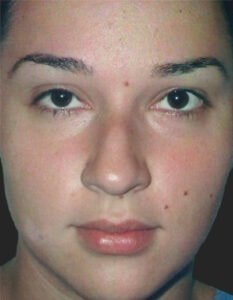
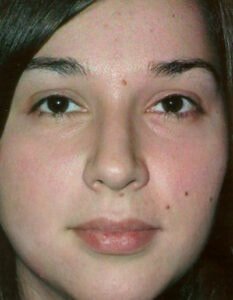
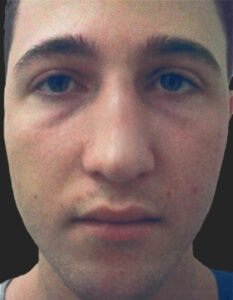
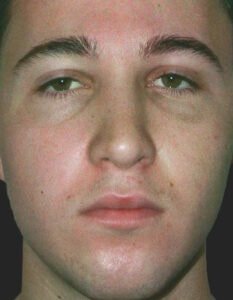
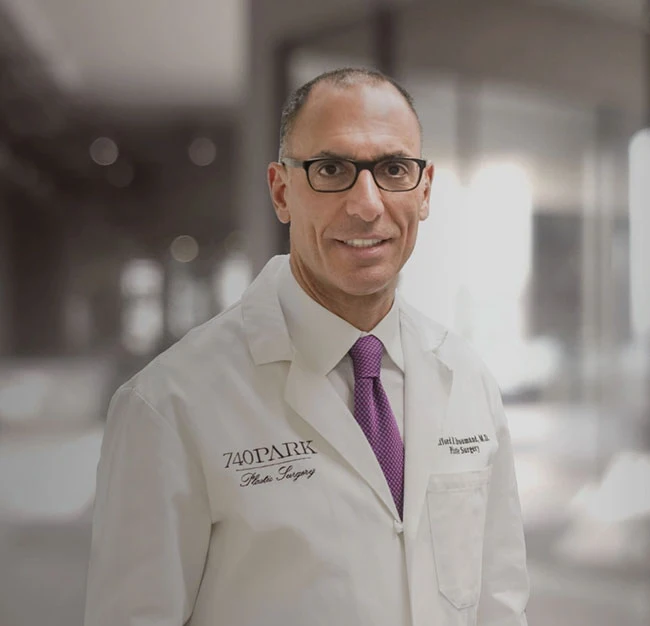
Why Choose Dr. Stafford Broumand for Your Rhinoplasty
Dr. Broumand’s extensive credentials, experience, and patient-centered approach make him an exceptional choice for rhinoplasty in New York City, Manhattan, and the surrounding areas.
Harvard-Trained Expertise
Dr. Broumand completed his plastic surgery residency at Massachusetts General Hospital, a Harvard-affiliated institution renowned for excellence in surgical training. He also completed advanced craniofacial surgery training at Necker Hospital in Paris under the mentorship of Daniel Marchac, a pioneer in craniofacial surgery. This elite training provides him with deep expertise in complex nasal anatomy and reconstruction.
Board Certification and Professional Recognition
- Board-Certified by the American Board of Plastic Surgery
- Fellow of the American College of Surgeons (FACS)
- Castle Connolly Top Doctor for 14 consecutive years
- Castle Connolly Ten Year Award recipient
- Named 2017 Top Plastic Surgeon in NYC by New York Magazine
- Active Member of the American Society of Plastic Surgeons (ASPS)
- Associate Clinical Professor of Plastic Surgery at Mount Sinai Health System
30+ Years of Clinical Experience
With over three decades of experience in plastic and reconstructive surgery, Dr. Broumand has refined his surgical techniques and developed an intuitive understanding of nasal anatomy. His extensive experience allows him to handle complex cases, including revision rhinoplasty and challenging primary procedures.
Artistic Vision and Technical Precision
Dr. Broumand combines surgical precision with artistic vision to create natural-looking results that enhance your unique facial features. He understands that rhinoplasty is both a science and an art, requiring technical skill and aesthetic sensibility.
Patient-Centered Approach
Dr. Broumand prioritizes clear communication, realistic expectations, and personalized care. He takes time to understand your goals, addresses your concerns, and develops a surgical plan tailored to your specific needs. His warm bedside manner and genuine care for his patients have earned him consistent praise in patient testimonials.
State-of-the-Art Facility
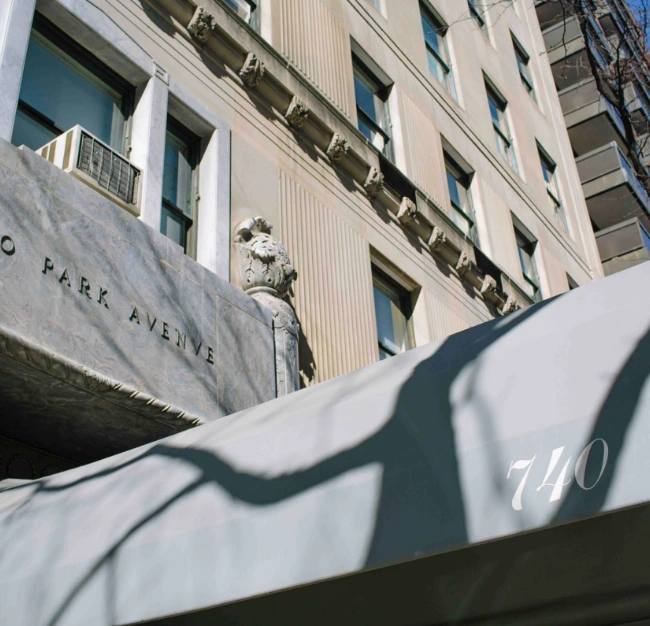
740 Park Plastic Surgery is located in Manhattan’s prestigious Upper East Side and features state-of-the-art surgical facilities, advanced technology, and a compassionate, professional staff dedicated to your comfort and safety.
Patient Testimonials
“Dr. Broumand is simply the best and he has the most incredible team. I was so well taken care of before and after my surgery and I couldn’t be happier with the results.” – E.A., Google Review ⭐⭐⭐⭐⭐
“Sometimes we fear surgery or fear what the outcome can be, fear not with Dr. Broumand! From the moment you walk into his office you are truly treated like royalty. If you are looking for a first class doctor and service, I highly recommend without a doubt 740 Park Plastic Surgery!” – S.K, Google Review ⭐⭐⭐⭐⭐
“Dr. Broumand is simply the best and he has the most incredible team. I was so well taken care of before and after my surgery and I couldn’t be happier with the results.” – E.A., Google Review ⭐⭐⭐⭐⭐
“From the first minute, an exceptional experience! Dr. Broumand and his staff are professional, kind, accommodating, and I always felt I was in great hands. One of most important things for me was I always felt my questions and any concerns were addressed promptly and it is obvious Dr. Broumand is dedicated not only to excellent surgical results for his patients, but to a whole excellent experience. I couldn’t recommend him more highly!” – M.C., Google Review ⭐⭐⭐⭐⭐
How long do rhinoplasty results last?
Rhinoplasty results are permanent. The changes made to your nasal bone and cartilage are lasting. However, your nose will continue to age naturally over time, and the skin may show signs of aging. The overall shape and structure you achieve through rhinoplasty remain stable throughout your life.
Will I have visible scars after rhinoplasty?
In closed rhinoplasty, all incisions are made inside the nose, so there are no visible external scars. In open rhinoplasty, a small incision is made across the columella. This scar typically fades significantly over time and is rarely noticeable, especially after 12 months of healing.
When can I see my final rhinoplasty results?
While you’ll notice significant improvement within the first few weeks, final results typically become apparent around 12 months post-operatively. Some patients experience continued refinement up to 18-24 months as residual swelling subsides and scar tissue matures.
Can rhinoplasty improve my breathing?
Yes. If you have a deviated septum or other structural obstruction, rhinoplasty combined with septoplasty can significantly improve nasal breathing. Dr. Broumand addresses both aesthetic and functional concerns to optimize your results.
What are the risks and complications of rhinoplasty?
As with any surgical procedure, rhinoplasty carries some risks, including infection, bleeding, and anesthesia complications. Specific nasal complications may include asymmetry, breathing difficulties, or unsatisfactory aesthetic results.3 Dr. Broumand will discuss all potential risks during your consultation and takes extensive precautions to minimize complications.
How much does rhinoplasty cost?
Rhinoplasty costs vary based on the complexity of your case, surgical technique, and facility fees. During your consultation, Dr. Broumand will provide a detailed cost estimate. Many patients explore financing options to make rhinoplasty more accessible.
Where can I find rhinoplasty near me in New York City?
At 740 Park Plastic Surgery in Manhattan, Dr. Stafford Broumand offers comprehensive rhinoplasty services for patients throughout New York City, Manhattan, and the surrounding areas. With over 30 years of experience, Harvard training, and recognition as a Castle Connolly Top Doctor, Dr. Broumand delivers natural-looking results that enhance your unique facial features. Schedule your consultation today to discuss your rhinoplasty goals with a board-certified plastic surgeon dedicated to your satisfaction and safety.
What is the difference between primary and revision rhinoplasty?
Primary rhinoplasty is performed on patients who have never had nose surgery and allows Dr. Broumand to work with the nose’s natural anatomy. Revision rhinoplasty addresses unsatisfactory results from a previous nose surgery and is more complex because it requires working with altered anatomy and scar tissue. Dr. Broumand’s extensive experience with both procedures ensures excellent outcomes regardless of your situation.
Is rhinoplasty appropriate for ethnic noses?
Yes. Dr. Broumand specializes in ethnic rhinoplasty and recognizes that nasal aesthetics vary across different ethnic backgrounds. Ethnic rhinoplasty respects cultural preferences and natural nasal characteristics while addressing your specific concerns, ensuring results that look natural and harmonize with your facial features and heritage.
About Dr. Stafford Broumand
Dr. Stafford R. Broumand is a Harvard-trained, board-certified plastic surgeon with over 30 years of clinical experience in cosmetic and reconstructive surgery. He graduated from Yale University School of Medicine in 1985 and completed his general surgery residency at Mount Sinai Medical Center, where he served as Chief Resident. Dr. Broumand completed his plastic surgery residency at Massachusetts General Hospital, a Harvard-affiliated institution, and received advanced craniofacial surgery training at Necker Hospital in Paris under the mentorship of renowned surgeon Daniel Marchac.
Dr. Broumand is board-certified by the American Board of Plastic Surgery and is a Fellow of the American College of Surgeons (FACS). He has been recognized as a Castle Connolly Top Doctor for 14 consecutive years and received the Castle Connolly Ten Year Award. In 2017, he was named a Top Plastic Surgeon in NYC by New York Magazine. He is an active member of the American Society of Plastic Surgeons (ASPS) and serves as an Associate Clinical Professor of Plastic Surgery at Mount Sinai Health System.
Dr. Broumand’s research and clinical expertise focus on facial plastic surgery, rhinoplasty, and craniofacial reconstruction. He has authored and co-authored peer-reviewed publications on craniofacial surgery and maintains a commitment to advancing the field through continued education and clinical innovation. His teaching role at Mount Sinai allows him to mentor the next generation of plastic surgeons while maintaining his commitment to providing exceptional patient care.
Contact Us
If you’re considering rhinoplasty and would like expert guidance from a board-certified plastic surgeon, we invite you to schedule a personalized consultation with Dr. Stafford Broumand. At 740 Park Plastic Surgery, our team is proud to serve patients from NYC, Manhattan, and throughout New York with thoughtful, individualized care.
To learn more about rhinoplasty options or to book your consultation, contact our Manhattan office today. Our knowledgeable staff is happy to answer your questions and help you take the next step toward a result that feels balanced, natural, and true to you.
1 Mayo Clinic. Rhinoplasty. Available: https://www.mayoclinic.org/tests-procedures/rhinoplasty/about/pac-20384532. Accessed February 10, 2026.
2 American Society of Plastic Surgeons. Who is a good candidate for rhinoplasty? Available: https://www.plasticsurgery.org/cosmetic-procedures/rhinoplasty/candidates. Accessed February 10, 2026
3 American Society of Plastic Surgeons. What are the risks of rhinoplasty? Available: https://www.plasticsurgery.org/cosmetic-procedures/rhinoplasty/safety. Accessed February 10, 2026.
Dr. Stafford Broumand has reviewed and approved this content.
Page Updated: