

Blog

What to Do if You’re Unhappy with Your Previous Surgery or Implants
A supportive resource for those considering revision surgery in Manhattan Medical insight from Stafford R. Broumand, MD, FACS, board-certified plastic surgeon Revision surgery is a secondary procedure that corrects, refines, or improves the results of a previous surgery, and board-certified plastic surgeons in Manhattan see it more often than most patients expect. You made a…

Preventative Aesthetic Procedures in Your 30s & 40s: What’s Getting Popular
Preventative aesthetic procedures are early, low-dose, minimally invasive treatments. They include preventative BOTOX®, dermal fillers, and collagen-stimulating devices. The goal is to keep visible signs of aging from developing, rather than correcting them after the fact. This approach is often called prejuvenation. We are seeing younger patients build these plans at 740 Park Plastic Surgery,…
Neck Lift vs. Facelift: Which Is Right for Your Age and Goals?
For many patients considering a neck lift or facelift in NYC, the question isn’t “Do I need something done?” It’s more precise than that: “Do I need a facelift, a neck lift, or both?” A facelift lifts and repositions the deeper tissue of the mid to lower face. A neck lift targets loose skin, muscle…

How to Spot & Avoid Capsular Contracture: Prevention & Early Warning Signs
Breast augmentation is one of the most performed and consistently patient-satisfying procedures in plastic surgery. But like any operation, it carries potential complications, and capsular contracture is among the most important for patients to understand. Knowing what it is, what it feels like in its earliest stages, and how to reduce your risk can make…
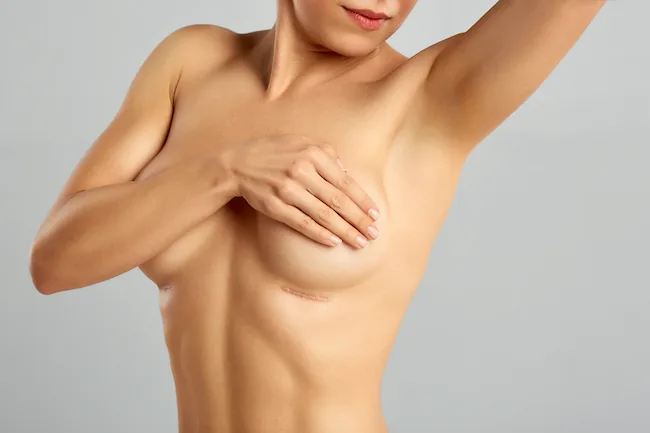
Scar Management & Healing: How to Get the Best Results After Plastic Surgery
You’ve done your research, chosen your surgeon, and made it through your procedure. Now comes a phase that’s just as important as the surgery itself: healing. For many patients, the question shifts from “Will I love my results?” to “What will my scars look like?” It’s a completely valid concern, and one we hear often….
Facial Aging Explained: Understanding How Time Affects Skin, Muscle, and Volume
A foundational guide to the science of facial aging — and how today’s surgical and non-surgical treatments can help Manhattan patients restore a naturally refreshed appearance. Aging is inevitable — but understanding it is the first step toward addressing it on your own terms. Many patients who come to 740 Park Plastic Surgery in Manhattan…

Restoring Volume and Contour After Major Weight Loss
Achieving significant weight loss—whether through bariatric surgery, medical weight management, or lifestyle changes—is a major milestone. But for many patients, the physical transformation doesn’t end when the number on the scale stabilizes. After substantial weight loss, it’s common to experience volume loss, skin laxity, and changes in body contour that don’t reflect how strong or…
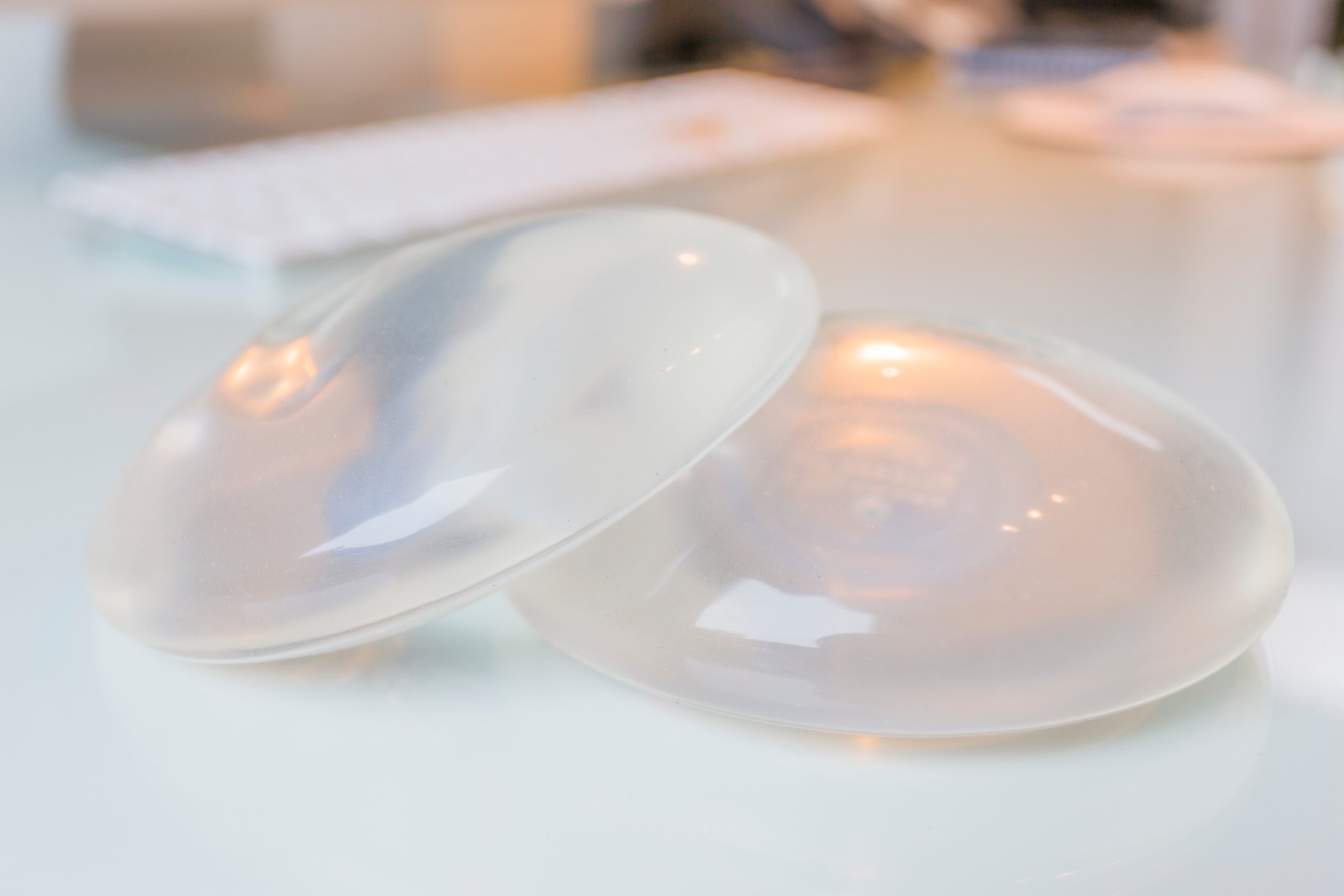
Natural, Not Noticeable: Why Smaller Implants Are the New Trend
You’ve probably noticed something different lately when you scroll through before-and-after photos or see celebrities talking about their breast augmentation. The results look… natural. Like they’re just better versions of themselves, not dramatically different. That’s not an accident. There’s been a real shift in what women actually want from breast augmentation, and it’s changing the…

The Role of Social Media in Plastic Surgery: Navigating Expectations & Reality
Social media has dramatically changed the way people learn about plastic surgery. Platforms like Instagram, TikTok, and YouTube have made aesthetic procedures more visible than ever before. Patients can watch procedure explanations, see before-and-after photos, and hear directly from surgeons and patients around the world. While this accessibility can help people feel more informed, it…
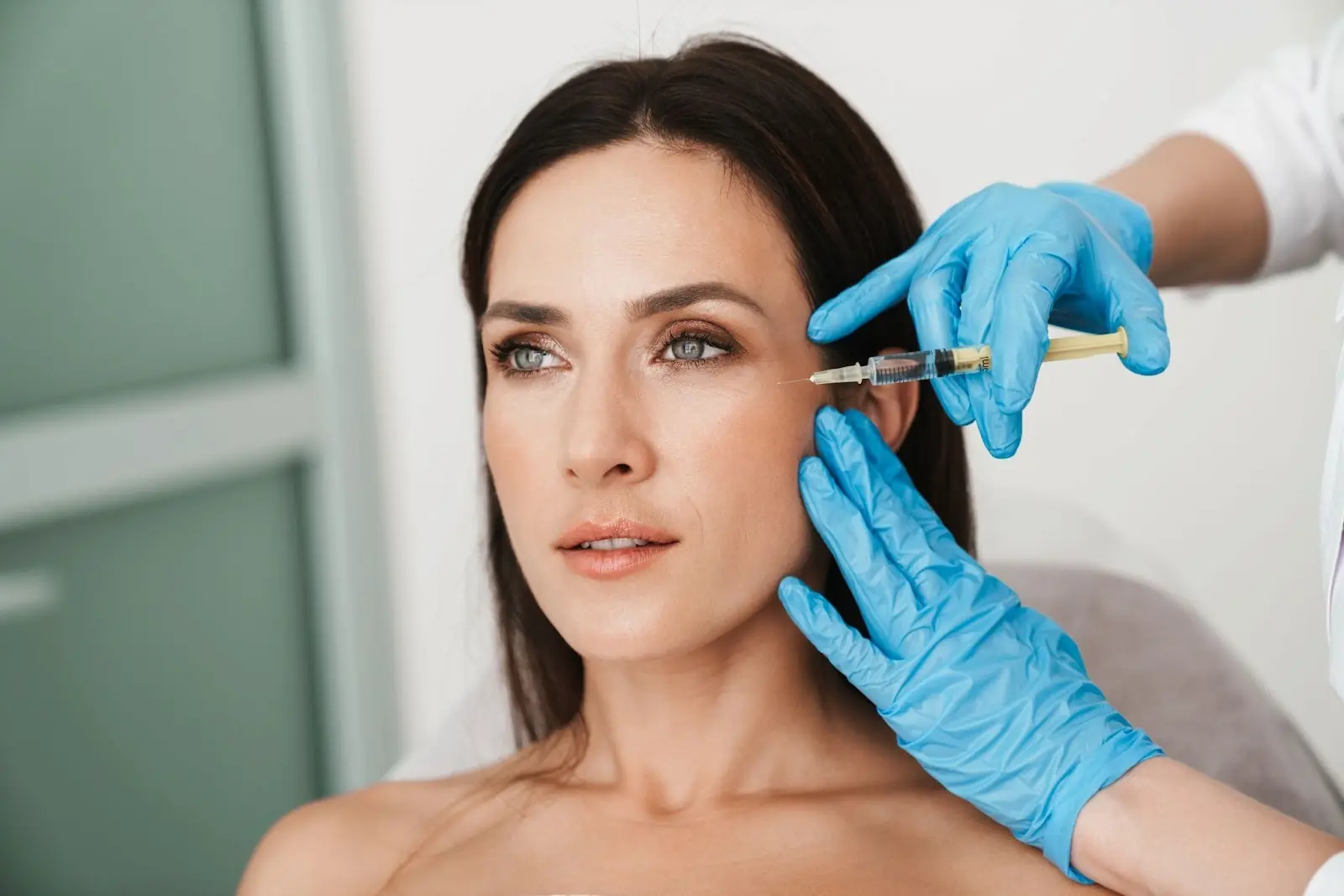
The Science of BOTOX®: How Preventative Treatments Keep You Looking Refreshed
You’ve probably heard the saying: “An ounce of prevention is worth a pound of cure.” When it comes to your skin, this wisdom couldn’t be more accurate. While most people think of BOTOX® as a treatment for existing wrinkles, a growing number of dermatologists and plastic surgeons—including Dr. Stafford Bromand at 740 Park Plastic Surgery—are…