

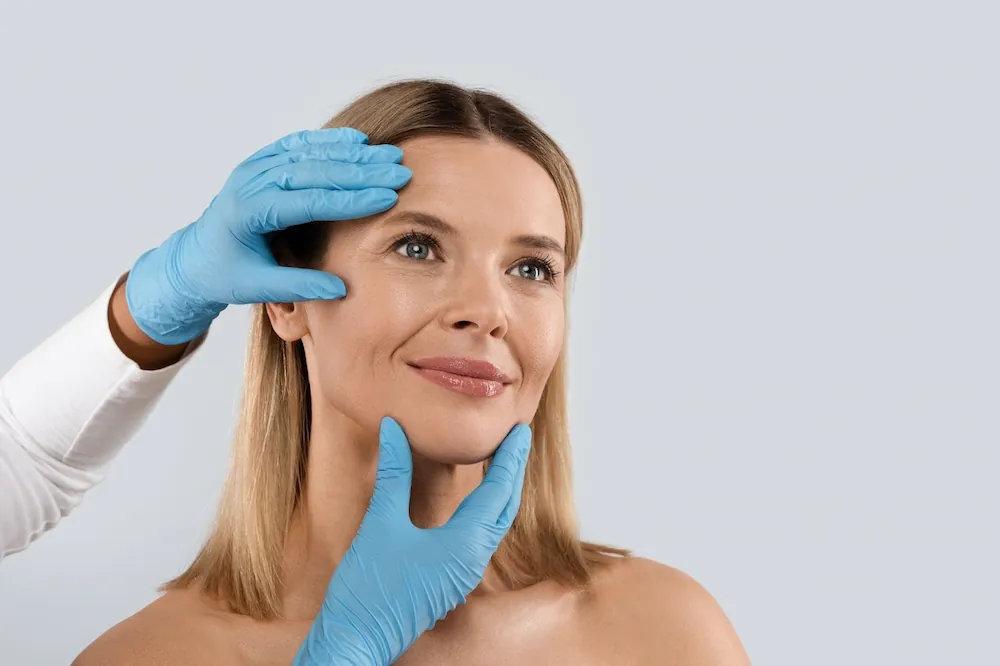
The landscape of facial rejuvenation is shifting dramatically. Where facelifts were once reserved for women in their 60s and beyond, a new generation of patients in their 40s is embracing surgical intervention earlier—and for good reason.
At 740 Park Plastic Surgery, Dr. Stafford Broumand has observed this trend firsthand. “We’re seeing a fundamental change in how women approach aging,” he explains. “Rather than waiting until significant laxity develops, patients are choosing preventative procedures that offer subtle, natural-looking results with longer-lasting benefits.”
This shift represents more than just changing aesthetics—it reflects a sophisticated understanding of facial aging and the advantages of early intervention. Let’s explore why more women are choosing face and necklifts in their 40s, and what makes this approach so effective.
1. The Science Behind Early Intervention
Why Timing Matters in Facial Rejuvenation
Facial aging is a gradual process that begins in our 30s and accelerates through our 40s. During this decade, several key changes occur:
- Collagen production decreases by approximately 1% per year after age 30
- Skin elasticity diminishes, making it less able to bounce back from gravitational pull
- Fat pads begin to descend, creating early jowling and loss of jawline definition
- Neck laxity emerges, with the appearance of bands and loose skin
- Volume loss occurs in the midface, contributing to a tired appearance
The advantage of addressing these changes in your 40s? The tissues are still relatively resilient, recovery tends to be faster, and the results appear more natural because you’re correcting early signs rather than reversing decades of aging.
The Preventative Approach
Think of an early facelift as preventative maintenance rather than major reconstruction. When performed in your 40s, these procedures:
- Delay the need for more extensive surgery later by addressing laxity before it becomes severe
- Provide longer-lasting results because the underlying tissue quality is better
- Require less aggressive correction, leading to more natural outcomes
- Establish a foundation for graceful aging over the following decades
Dr. Broumand notes, “A well-executed facelift or necklift in your 40s can maintain your results for 10-15 years or more. You’re essentially resetting the clock and then aging from that refreshed baseline.”
2. Mini Facelifts vs. Deep Plane Facelifts: Understanding Your Options
The Mini Facelift: Targeted Refinement
For women in their early to mid-40s with mild to moderate concerns, a mini facelift offers an excellent solution. This less invasive approach:
- Focuses on the lower face and jawline, addressing early jowling and loss of definition
- Uses shorter incisions around the ears, resulting in minimal scarring
- Requires less downtime, typically 1-2 weeks for most social activities
- Delivers subtle, natural results that refresh without dramatically altering your appearance
- Often includes neck contouring to address early platysmal banding
Ideal candidates for mini facelifts:
- Women in their early to mid-40s
- Those with good skin elasticity
- Patients with mild jowling and early neck laxity
- Individuals seeking subtle enhancement rather than dramatic change
The Deep Plane Facelift: Comprehensive Rejuvenation
For patients in their late 40s or those with more advanced aging, a deep plane facelift provides more comprehensive results. This advanced technique:
- Addresses deeper structural layers of the face, including the SMAS (superficial musculoaponeurotic system)
- Repositions facial fat pads rather than simply pulling skin
- Creates more natural, longer-lasting results by working with the face’s underlying architecture
- Effectively treats midface descent, nasolabial folds, and marionette lines
- Provides superior neck rejuvenation when combined with a necklift
Ideal candidates for deep plane facelifts:
- Women in their late 40s to early 50s
- Those with moderate to significant facial laxity
- Patients seeking comprehensive, long-lasting results
- Individuals with midface volume loss and descent
3. The Necklift: Addressing the Often-Overlooked Area
Why the Neck Ages Differently
The neck is often the first area to show signs of aging, yet it’s frequently overlooked until the problem becomes significant. The neck’s delicate skin and unique muscle structure make it particularly vulnerable to:
- Platysmal banding (vertical neck cords)
- Horizontal creasing from repeated movement
- Skin laxity and the appearance of a “turkey neck”
- Submental fullness (excess fat under the chin)
- Loss of the cervicomental angle (the defined angle between chin and neck)
Necklift Techniques for Women in Their 40s
Modern necklift procedures can be tailored to address specific concerns:
Platysmaplasty: Tightens the platysma muscle to eliminate banding and create a smoother neck contour
Submental liposuction: Removes excess fat deposits under the chin for improved definition
Skin excision: Removes redundant skin for a tighter, more youthful appearance
Combined approach: Often performed with a facelift for harmonious, balanced results
“The neck is a critical component of facial rejuvenation,” Dr. Broumand emphasizes. “A beautifully refreshed face can be undermined by an aging neck. That’s why we often recommend addressing both areas simultaneously for optimal results.”
4. The Benefits of Smaller Procedures Timed Right
Natural-Looking Results
One of the most compelling reasons to pursue facial rejuvenation in your 40s is the ability to achieve subtle, undetectable results. When you address aging early:
- Changes are incremental, not dramatic
- Your features remain recognizably yours
- Friends notice you look refreshed, not “done”
- You avoid the “overdone” appearance that can result from waiting too long
Faster Recovery
Younger patients typically experience:
- Better tissue healing due to superior blood supply and collagen production
- Less bruising and swelling compared to older patients
- Quicker return to normal activities, often within 2-3 weeks
- Lower risk of complications due to overall better health
Longer-Lasting Results
The quality of your skin and underlying tissues in your 40s means:
- Results can last 10-15 years or more with proper skincare and sun protection
- Maintenance procedures are less frequent and less extensive
- You age more gracefully from your refreshed baseline
- Future procedures, if needed, are typically less invasive
Psychological Benefits
Women who undergo facial rejuvenation in their 40s often report:
- Increased confidence in personal and professional settings
- Alignment between how they feel and how they look
- Reduced anxiety about aging
- Empowerment from taking proactive control of their appearance
5. What to Expect: The Patient Journey
Consultation and Planning
Your journey begins with a comprehensive consultation where Dr. Broumand will:
- Assess your facial anatomy and aging patterns
- Discuss your goals and concerns in detail
- Recommend the most appropriate procedure(s) for your needs
- Review before-and-after photos of similar patients
- Explain the surgical technique, recovery, and expected results
The Procedure
Face and necklifts are typically performed under general anesthesia or IV sedation and take 2-4 hours depending on the extent of correction needed. The procedure involves:
- Strategic incisions placed within the natural contours around the ears and hairline
- Careful repositioning of underlying tissues and muscles
- Removal of excess skin for a smooth, natural contour
- Meticulous closure to minimize scarring
Recovery Timeline
Week 1:
- Swelling and bruising peak around days 2-3
- Drains (if used) are typically removed within 1-2 days
- Most patients feel well enough for light activities
- Sutures are removed around day 5-7
Weeks 2-3:
- Significant improvement in swelling and bruising
- Most patients return to work (depending on job requirements)
- Light exercise can typically resume
- Results begin to emerge as swelling subsides
Weeks 4-6:
- Continued refinement of results
- Most swelling has resolved
- Normal exercise can resume
- Incisions continue to fade
Months 3-6:
- Final results become apparent
- Incisions are barely visible
- Tissues have fully settled into their new position
- Full sensation typically returns
Long-Term Care
Maintaining your results requires:
- Diligent sun protection with broad-spectrum SPF 30+
- Quality skincare including retinoids and antioxidants
- Healthy lifestyle habits including proper nutrition and hydration
- Non-surgical maintenance such as neurotoxins and fillers as needed
- Regular follow-up with your plastic surgeon
6. Combining Procedures for Comprehensive Results
The Power of Synergy
Many women in their 40s benefit from combining facial rejuvenation with complementary procedures:
Facelift + Necklift: The most common combination, addressing the lower face and neck for harmonious results
Facelift + Blepharoplasty: Refreshes the eyes while lifting the lower face for complete facial rejuvenation
Facelift + Fat Transfer: Restores volume to the midface while lifting the lower face, addressing both laxity and volume loss
Facelift + Brow Lift: Elevates the upper face while rejuvenating the lower face for balanced, youthful proportions
The Advantages of Combined Procedures
- Single recovery period rather than multiple separate recoveries
- Harmonious results with all areas addressed simultaneously
- Cost efficiency compared to staging procedures separately
- Comprehensive rejuvenation that addresses multiple concerns at once
7. The Role of Non-Surgical Treatments
Before Surgery: Prejuvenation
In your late 30s and early 40s, non-surgical treatments can delay the need for surgery:
- Neurotoxins (BOTOX, Dysport) prevent dynamic wrinkles from deepening
- Dermal fillers restore volume and support facial structures
- Skin boosters improve skin quality and hydration
- Laser treatments address texture, tone, and pigmentation
After Surgery: Maintenance
Following your facelift or necklift, strategic non-surgical treatments can:
- Prolong your surgical results by addressing areas not corrected by surgery
- Maintain volume in the midface and lips
- Prevent new wrinkles from forming
- Enhance skin quality for a more youthful appearance
8. Choosing the Right Surgeon
Credentials Matter
When considering facial rejuvenation, ensure your surgeon is:
- Board-certified by the American Board of Plastic Surgery
- Experienced in facial plastic surgery specifically
- Skilled in modern techniques including deep plane and mini facelift approaches
- Committed to natural-looking results that enhance rather than alter your appearance
The Consultation Experience
A quality consultation should include:
- Ample time to discuss your concerns and goals
- Honest assessment of what can and cannot be achieved
- Clear explanation of techniques, risks, and recovery
- Before-and-after photos of the surgeon’s actual patients
- Comfortable, pressure-free environment where you feel heard and respected
Questions to Ask
- How many face and necklifts do you perform annually?
- What technique do you recommend for my specific concerns?
- Can I see before-and-after photos of patients similar to me?
- What are the potential risks and complications?
- What will my recovery be like, realistically?
- How long can I expect my results to last?
9. Addressing Common Concerns
“Will I Look Unnatural or ‘Done’?”
Modern facelift techniques, particularly when performed in your 40s, create subtle, natural-looking results. The key is:
- Choosing an experienced surgeon who prioritizes natural aesthetics
- Addressing aging early before dramatic correction is needed
- Using advanced techniques like the deep plane approach that work with your anatomy
- Maintaining realistic expectations and open communication with your surgeon
“What About Scarring?”
Facelift incisions are strategically placed:
- Within the natural creases around the ears
- Along the hairline where they’re concealed by hair
- Designed to be virtually invisible once fully healed (typically 6-12 months)
- Minimized through meticulous surgical technique and proper wound care
“How Long Will I Need Off Work?”
Recovery varies by individual and procedure, but generally:
- Mini facelift: 1-2 weeks for most professional settings
- Full facelift/necklift: 2-3 weeks for most professional settings
- Remote work: Often possible within 1 week
- Physical jobs: May require 3-4 weeks
“Can I Afford It?”
While facial rejuvenation is an investment, consider:
- Long-lasting results (10-15+ years) compared to temporary non-surgical treatments
- Financing options available through most practices
- The value of confidence and satisfaction with your appearance
- Cost per year when results are divided over their lifespan
10. Real Patient Perspectives
The Confidence Factor
Women who undergo facial rejuvenation in their 40s consistently report feeling more confident and aligned with their inner vitality. As one patient shared, “I’m proactive about fitness and health, and this was an extension of that philosophy. I wanted my appearance to reflect how energetic and vibrant I feel.”
The Natural Results
Another common theme is the subtlety of results. “My friends and colleagues noticed I looked refreshed and rested, but no one suspected I’d had surgery,” one patient noted. “That’s exactly what I wanted—to look like the best version of myself, not like someone else.”
The Recovery Reality
While recovery requires patience, most patients find it manageable. “The first week was the hardest, but by week two, I felt presentable with makeup. By week three, I was back to my normal routine. The temporary discomfort was absolutely worth the long-term results.”
The Timing Decision
Many patients express satisfaction with their decision to proceed in their 40s. “I’m so glad I didn’t wait until my 60s when I would have needed a much more extensive procedure. Addressing things early meant a faster recovery and more natural results.”
Conclusion: Embracing Proactive Aging
The decision to pursue facial rejuvenation in your 40s represents a sophisticated, proactive approach to aging. Rather than waiting for significant changes to occur, more women are choosing to address early signs of aging with procedures that offer subtle, natural-looking results and long-lasting benefits.
Whether you’re considering a mini facelift to refine your jawline, a comprehensive deep plane facelift for more extensive rejuvenation, or a necklift to address early neck laxity, the key is choosing the right procedure at the right time with the right surgeon.
At 740 Park Plastic Surgery, Dr. Stafford Broumand combines advanced surgical techniques with an artistic eye to deliver results that enhance your natural beauty while maintaining your unique features. If you’re in your 40s and noticing early signs of facial aging, now may be the ideal time to explore your options.
Ready to learn more?Schedule a consultation with Dr. Broumand to discuss how facial rejuvenation can help you look as vibrant and confident as you feel.
Frequently Asked Questions
Q: What’s the ideal age for a facelift?
A: There’s no single “ideal” age, as it depends on your individual aging patterns and concerns. However, many women find their 40s to be an optimal time because tissues are still resilient, recovery is typically faster, and results appear more natural. The key is addressing aging when it bothers you, not waiting for a specific age.
Q: How long do facelift results last?
A: When performed in your 40s, facelift results typically last 10-15 years or longer. Factors that influence longevity include your skin quality, lifestyle habits (especially sun protection and smoking), genetics, and the specific technique used. While you’ll continue to age, you’ll do so from a refreshed baseline.
Can I combine a facelift with other procedures?
Yes, many patients combine facelifts with complementary procedures such as necklifts, eyelid surgery (blepharoplasty), brow lifts, or fat transfer. Combining procedures allows for comprehensive rejuvenation with a single recovery period and often produces more harmonious results.
What’s the difference between a mini facelift and a full facelift?
A mini facelift uses shorter incisions and addresses the lower face and jawline, making it ideal for patients with mild to moderate aging. A full facelift (particularly the deep plane technique) addresses deeper structural layers and provides more comprehensive correction of the midface, lower face, and neck. Your surgeon will recommend the most appropriate option based on your specific concerns.
Will people know I’ve had surgery?
Modern facelift techniques, especially when performed in your 40s, create subtle, natural-looking results. Most people will notice you look refreshed, rested, or “different somehow” but won’t be able to identify that you’ve had surgery unless you tell them. The goal is to enhance your natural beauty, not create an obviously “done” appearance.
What’s the recovery like?
The first week involves the most swelling and bruising, with improvement each day. Most patients feel presentable with makeup by week two and return to work within 2-3 weeks. Strenuous exercise should be avoided for 4-6 weeks. While everyone’s recovery is unique, most patients find it more manageable than anticipated.
Are there non-surgical alternatives?
Non-surgical treatments like neurotoxins, fillers, and skin tightening devices can address some signs of aging, but they cannot correct significant skin laxity or reposition descended tissues. For women in their 40s with moderate concerns, surgery often provides more dramatic, longer-lasting, and ultimately more cost-effective results than ongoing non-surgical treatments.
How do I choose the right surgeon?
Look for a board-certified plastic surgeon with extensive experience in facial rejuvenation. Review before-and-after photos of their actual patients, read reviews, and schedule consultations with multiple surgeons. Choose someone whose aesthetic aligns with your goals and with whom you feel comfortable and confident.