

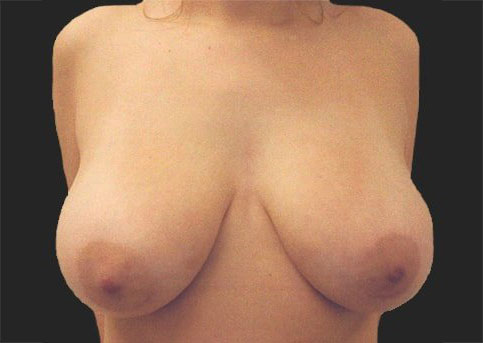
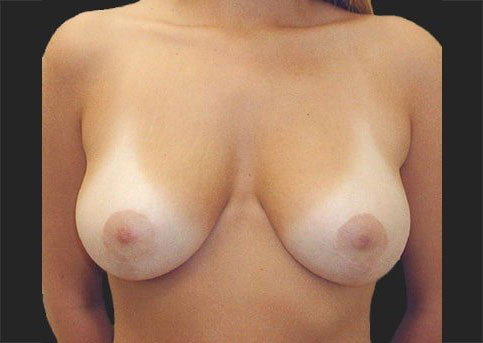
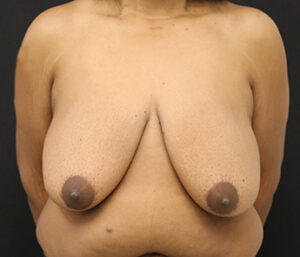
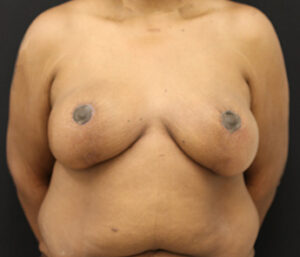
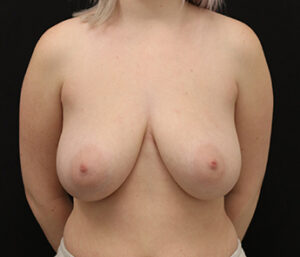
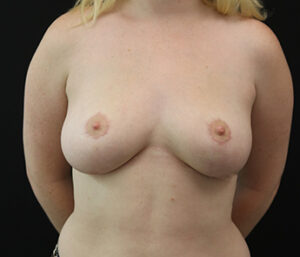
“I had an amazing experience with Dr. Broumand and the entire staff. From the moment I walked into the office, everyone was warm, professional, and welcoming. The staff made me feel comfortable and cared for every step of the way.”
– Sigal B.. Google Review ⭐⭐⭐⭐⭐

Breast Reduction
Breast Reduction Surgery stands out as the procedure with the highest level of patient satisfaction.
- Why Do Women Choose Breast Reduction Surgery?
- Am I a Candidate for Breast Reduction?
- How Do I Prepare for Breast Reduction Surgery?
- What Happens During Breast Reduction Surgery?
- What Incision Patterns Are Used in Breast Reduction?
- What Is Recovery Like After Breast Reduction?
- What Results Can I Expect After Breast Reduction?
- What Are the Risks of Breast Reduction Surgery?
- Can Breast Reduction Be Combined with Other Procedures?
- Why Choose Dr. Broumand for Breast Reduction?
- Patient Reviews and Testimonials
- Frequently Asked Questions
Breast reduction removes excess breast tissue, fat, and skin to relieve the physical strain of oversized breasts. It also reshapes the breast for better proportion. Clinical research links the procedure to lasting improvements in pain, posture, and quality of life. Dr. Stafford Broumand, a Harvard-trained, board-certified plastic surgeon, tailors each surgical plan to the patient’s anatomy, symptoms, and goals.
What Is Breast Reduction Surgery?
Breast reduction, or reduction mammoplasty, lifts and reshapes the breast while removing the excess tissue causing your symptoms. It is one of the most well-studied procedures in plastic surgery, with decades of outcomes data behind it.
At 740 Park Plastic Surgery in Manhattan, Dr. Broumand does not treat every reduction the same way. As a board-certified plastic surgeon practicing in New York City, he tailors each plan to your anatomy. That means individualized tissue removal, internal reshaping, and, where appropriate, shorter incision patterns. Patients travel from across NYC for that individualized care.
- Why Do Women Choose Breast Reduction Surgery?
- Am I a Candidate for Breast Reduction?
- How Do I Prepare for Breast Reduction Surgery?
- What Happens During Breast Reduction Surgery?
- What Incision Patterns Are Used in Breast Reduction?
- What Is Recovery Like After Breast Reduction?
- What Results Can I Expect After Breast Reduction?
- What Are the Risks of Breast Reduction Surgery?
- Can Breast Reduction Be Combined with Other Procedures?
- Why Choose Dr. Broumand for Breast Reduction?
- Patient Reviews and Testimonials
- Frequently Asked Questions
Why Do Women Choose Breast Reduction Surgery?
Most women choose breast reduction to relieve the physical toll of significantly oversized breasts, a condition doctors call macromastia. When breast tissue grows heavier than your frame comfortably supports, that weight transfers through your shoulders, neck, and upper back.
This is why so many women live with neck pain, shoulder grooving from bra straps, headaches, and posture strain before they ever consider surgery. Skin irritation and rashes along the breast crease are also common.
Beyond the physical symptoms, women with macromastia also report higher rates of anxiety, low mood, and reduced physical activity than women with proportionate breasts. Research on macromastia and surgical outcomes confirms these effects reverse in most patients after breast reduction, with lasting improvements in pain, posture, and quality of life.
Am I a Candidate for Breast Reduction?
Breast reduction is a good option if your breast size is causing physical symptoms. It’s also worth considering if your breasts are disproportionate to your frame, or if breast weight limits your daily activities and exercise.
During your consultation, Dr. Broumand evaluates:
- Chronic neck, upper back, or shoulder pain, or painful bra strap grooving
- Rashes or skin irritation beneath the breasts
- Difficulty exercising or finding well-fitting bras and clothing
- Complete breast development (not currently pregnant or breastfeeding)
- Overall health that supports safe elective surgery
- Non-smoking status, or willingness to stop nicotine well before surgery
Your body mass index and overall health are also part of the conversation. Dr. Broumand reviews these factors with you at your consultation.
If your breasts also sag significantly relative to their size, Dr. Broumand may recommend adding a breast lift to your reduction in the same operation for the best shape and position.
Candidates for Breast Reduction
Candidates for breast reduction are typically individuals who experience physical or emotional discomfort due to overly large breasts. Ideal candidates are those suffering from neck, back, or shoulder pain, skin irritation under the breasts, or those who face limitations in physical activity due to the size of their breasts. It’s important for candidates to be in good overall health, have realistic expectations about the outcomes, and preferably be non-smokers, as smoking can affect the healing process. Additionally, this procedure is also considered by men who suffer from conditions like gynecomastia, where there is an enlargement of breast tissue.

How Do I Prepare for Breast Reduction Surgery?
Once you and Dr. Broumand agree that breast reduction is right for you, preparing for surgery involves a few key steps:
- A pre-operative visit to review your health history, medications, and any lab work needed
- Guidance on stopping smoking, nicotine, and certain medications or supplements that raise bleeding risk
- Arranging a ride home and help at home for the first few days after surgery
- A supportive surgical bra to have ready before your procedure

What Happens During Breast Reduction Surgery?
Breast reduction reduces breast volume and lifts your nipple and areola to a more natural position on your chest. It also resizes the areola if needed and reshapes the remaining tissue for better proportion.
Dr. Broumand performs breast reduction as an outpatient procedure in our AAAASF-certified surgical suite. You’ll be under general anesthesia for the entire operation, so you won’t be awake or feel anything.
Surgery usually takes 2 to 4 hours, depending on how much tissue is removed and which technique your anatomy calls for. Dr. Broumand marks your breasts beforehand to plan the incisions, then removes the excess tissue and reshapes what remains before closing.
Dr. Broumand performs all of these steps in the same operation, which is why your results should be judged on shape and balance, not on cup size alone. A meta-analysis of BREAST-Q patient data found satisfaction with breasts scores improved from a mean of 22.9 before surgery to 73.0 after reduction mammoplasty, with similar gains in psychosocial, physical, and sexual well-being. Dr. Broumand plans your reduction with these outcomes in mind, not just the amount of tissue removed.

What Incision Patterns Are Used in Breast Reduction?
Three incision patterns are used most often in breast reduction:
- Wise pattern (inverted-T): an incision around the areola, plus a vertical line down the breast and a horizontal line along the breast crease. Used for larger reductions and more sagging.
- Vertical (lollipop) pattern: skips the horizontal incision for a shorter scar. Well suited to moderate reductions with good skin elasticity.
- Liposuction-assisted technique: can complement either pattern. In select patients with mostly fatty tissue and good skin tone, it can be used on its own for a modest reduction.
Beneath the skin, your nipple and areola stay attached to a strip of tissue called the pedicle. The pedicle carries their blood supply and nerve connections.
Careful pedicle selection is why most patients keep nipple sensation after surgery, and, if desired, the ability to breastfeed. Research on this pedicle technique shows a low rate of complications and a good chance of preserving nipple sensation.
Dr. Broumand prefers to keep the nipple attached this way whenever your anatomy safely allows it, rather than fully detaching and reattaching it. He chooses your incision pattern and pedicle after an exam, based on your breast size, nipple position, skin quality, and goals.
What Is Recovery Like After Breast Reduction?
Most patients take 1 to 2 weeks off work and normal activities after breast reduction. You will wear a supportive surgical bra and avoid lifting anything heavier than a light bag during this time.
Strenuous exercise and heavy lifting should wait 4 to 6 weeks. Most patients feel relief from shoulder and neck pressure within the first few days.
Your final breast shape continues to refine over about 3 months as swelling resolves. Scars mature over about 1 year.
What Results Can I Expect After Breast Reduction?
Breast reduction produces an immediate change in volume. Final results settle over several months as swelling resolves.
The functional benefits are typically lasting, barring significant weight change, pregnancy, or hormonal shifts. A meta-analysis of randomized controlled trials found statistically significant reductions in pain and improvements in physical and psychological function after reduction surgery, compared with no treatment.
Dr. Broumand reviews before-and-after photos with you at your consultation. This helps set realistic expectations for your anatomy.
What Are the Risks of Breast Reduction Surgery?
All surgery carries risk. With breast reduction, the most commonly reported issues are delayed wound healing, small areas of skin or fat loss, infection, fluid collection, altered nipple sensation, asymmetry, and scarring that may need revision.
Most complications are minor and resolve with time or simple treatment. Rare but more serious complications, including partial or complete loss of the nipple and areola, are also possible.
Dr. Broumand reviews your specific risk factors, including your health history and body type, at your consultation. He takes an honest, upfront approach to risk so you know what to expect before you decide.

Can Breast Reduction Be Combined with Other Procedures?
Many patients pair breast reduction with a formal breast lift for the most balanced shape and position.
If you are also addressing your midsection, Dr. Broumand may discuss adding a tummy tuck, liposuction, or an arm lift. Some patients combine several procedures as part of a Mommy Makeover.
Whether to combine procedures depends on your safety, the length of surgery, your recovery plan, and your goals. Dr. Broumand reviews all of this with you at your consultation.

Why Choose Dr. Broumand for Breast Reduction?
Dr. Stafford R. Broumand, MD, FACS has practiced plastic surgery in New York for more than 30 years. He is a diplomate of the American Board of Plastic Surgery and the American Board of Surgery, and is a Fellow of the American College of Surgeons.
He also serves as Clinical Professor of Plastic Surgery at Mount Sinai Medical Center, where he supervises 15 to 18 plastic surgery residents and teaches more than 50 medical students each year.
Dr. Broumand is a past President of the New York State Society of Plastic Surgeons. He has been named a Castle Connolly Top Doctor for 24 consecutive years, and has also received the Castle Connolly Ten Year Award, New York Magazine Top Doctors recognition, and a place among the top 5 percent of physicians named to Super Doctors.
For patients considering breast reduction, that combination of teaching, research, and high-volume surgical practice shapes how Dr. Broumand approaches your operation. Decisions about incision pattern and pedicle selection are made against a background of continuous academic scrutiny, not guesswork.
In his own words: “My goal with every reduction is to reveal the shape that was already there under the weight and discomfort, not to impose a look that isn’t yours.”
Surgery takes place in our AAAASF-certified surgical suite, with board-certified anesthesia support throughout.
Patient Reviews and Testimonials
See more patient testimonials
Will I be able to breastfeed after a breast reduction?
Many patients keep the ability to breastfeed after reduction, especially when Dr. Broumand uses a continuity-preserving pedicle technique. Breastfeeding cannot be guaranteed for any individual patient. Dr. Broumand discusses this directly with you at your consultation.
Is breast reduction covered by insurance, or are there financing options?
Coverage depends on your specific policy and on documentation of medical necessity. This includes your symptoms, prior treatments tried, and estimated tissue to be removed.
Our practice can help you gather documentation for your insurer, though approval is ultimately the insurer’s decision. If your procedure isn’t covered, or you would rather spread out the cost, we also offer financing through CareCredit, PatientFi, and Cherry.
How much scarring should I expect after breast reduction?
Scarring depends on the incision pattern used. A vertical (lollipop) pattern leaves scars around the areola and down the vertical midline of the breast. A Wise pattern adds a scar along the breast crease. Scars mature and fade over about a year but do not disappear completely.
What size will I be after a breast reduction?
Your target size is based on your frame, your symptoms, and how much tissue needs to come out to relieve them, not a specific cup size. Dr. Broumand discusses a realistic size range with you at your consultation.
How painful is breast reduction recovery?
Most patients describe the first few days as sore and tight rather than sharply painful, especially compared with the discomfort they had beforehand. Prescribed medication manages the initial soreness.
How long does breast reduction surgery take?
Breast reduction typically takes 2 to 4 hours, depending on the amount of tissue being removed and the technique used. Dr. Broumand will give you a more specific estimate at your consultation, based on your anatomy and goals.
Will breast reduction affect my ability to get a mammogram?
No. You can still get mammograms after breast reduction. Let your radiologist know about your surgery beforehand, since the change in breast tissue can affect how your images are read. Many patients actually find mammograms easier after reduction, since there is less tissue to review.
Is breast reduction permanent?
Removed tissue does not grow back. Significant weight changes, pregnancy, hormonal shifts, and gravity over time can still affect your breast size, shape, and position after surgery.
Schedule a Consultation
A breast reduction consultation at 740 Park Plastic Surgery includes an in-depth review of your health history, a focused physical exam, and a conversation about incision and pedicle options. We’ll also talk candidly about candidacy, risk, and realistic outcomes.
To schedule a consultation with Dr. Broumand at our Manhattan practice in New York City, please contact us to request an appointment.
Consultations at our NYC practice are scheduled and paid. Our team will confirm timing, preparation, and, where relevant, next steps for insurance documentation or financing.
- Singh KA, Losken A. Additional Benefits of Reduction Mammaplasty: A Systematic Review of the Literature. Plastic and Reconstructive Surgery. 2012;129(3):562-570. https://doi.org/10.1097/PRS.0b013e31824129ee
- Wang AT, Panayi AC, Fischer S, Diehm YF, Tapking C, Hundeshagen G, Kneser U, Mastroianni M, Pomahac B, Haug VF. Patient-Reported Outcomes After Reduction Mammoplasty Using BREAST-Q: A Systematic Review and Meta-Analysis. Aesthetic Surgery Journal. 2023;43(4):NP231-NP241. https://doi.org/10.1093/asj/sjac293
- Bonomi F, Harder Y, Treglia G, De Monti M, Parodi C. Is Free Nipple Grafting Necessary in Patients Undergoing Reduction Mammoplasty for Gigantomastia? A Systematic Review and Meta-Analysis. Journal of Plastic, Reconstructive & Aesthetic Surgery. 2024;89:144-153. https://doi.org/10.1016/j.bjps.2023.12.009
- Yan M, Bustos SS, Kuruoglu D, Manrique OJ, Tran NV, Sharaf BA, Harless CA, Martinez-Jorge J, Forte AJ, Nguyen MT. Breast Resection Weight Prediction and Insurance Reimbursement in Reduction Mammaplasty: Which Scale Is Reliable? Plastic and Reconstructive Surgery. 2022;150(4):723e-730e. https://doi.org/10.1097/PRS.0000000000009536
- Lin Y, Yang Y, Zhang X, Li W, Li H, Mu D. Postoperative Health-Related Quality of Life in Reduction Mammaplasty: A Systematic Review and Meta-Analysis. Annals of Plastic Surgery. 2021;87(1):107-112. https://doi.org/10.1097/SAP.0000000000002609
- American Board of Plastic Surgery. Diplomate Verification and Certification Standards. https://www.abplasticsurgery.org/
Dr. Stafford Broumand has reviewed and approved this content.
Page Updated: