

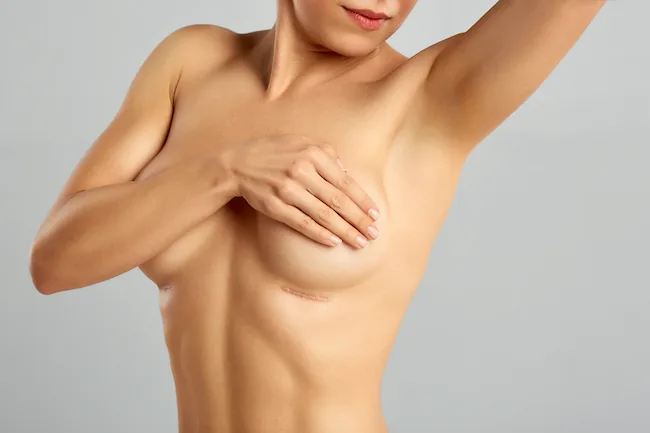
You’ve done your research, chosen your surgeon, and made it through your procedure. Now comes a phase that’s just as important as the surgery itself: healing. For many patients, the question shifts from “Will I love my results?” to “What will my scars look like?” It’s a completely valid concern, and one we hear often.
The good news? Scar formation is a natural, necessary part of healing, and with the right approach, most surgical scars become remarkably inconspicuous over time. At 740 Park Plastic Surgery, we believe post-operative care is an extension of the surgical process itself. Here’s what you need to know to give your body and your results the best possible chance.
Understanding How Scars Form
Before we talk about what to do, it helps to understand what’s actually happening beneath the surface.
When skin is incised during surgery, the body immediately begins repairing itself. This process unfolds in three overlapping phases:
- Inflammatory phase (Days 1-5): The area becomes red, swollen, and tender as your immune system mobilizes to clean the wound and begin repairs.
- Proliferative phase (Weeks 2-6): New collagen fibers are laid down rapidly. This is when scars can appear raised, firm, or even darker than surrounding skin, which can be alarming but is completely normal.
- Remodeling phase (Months 3-24): Collagen reorganizes and matures. Scars gradually soften, flatten, and fade. This phase takes far longer than most patients expect.
Understanding this timeline is essential: the scar you see at six weeks is not the scar you’ll have at eighteen months. Patience is genuinely part of the treatment plan.
The Factors That Influence Scar Quality
Not all scars are created equal. Several variables affect how a scar ultimately looks, some within your control and some not.
Genetics and skin type play a significant role. Patients with darker skin tones have a higher tendency toward hyperpigmentation and keloid formation. Knowing your personal history of scarring (think: how did a childhood cut heal?) gives useful insight.
Location on the body matters. Areas under tension, like the chest, shoulders, or knees, tend to produce wider or more noticeable scars than areas with minimal movement, like the face.
Surgical technique is foundational. Meticulously placed incisions along natural skin lines, tension-free wound closure, and layered suturing all minimize scar visibility before healing even begins. This is why choosing an experienced, board-certified plastic surgeon matters enormously.
Post-operative behavior is where you have the most influence. What you do (and don’t do) in the weeks and months after surgery can significantly affect your outcome.
Essential Scar Management: What to Do After Surgery
1. Protect the Incision, Especially in the Early Weeks
Newly healing incisions are fragile. Keep them clean and dry per your surgeon’s instructions, and resist the urge to inspect or pick at sutures or scabs. Even gentle disruption can introduce bacteria or interrupt the delicate cellular work underway.
Once the wound is fully closed and your surgeon gives the green light (typically around 2-4 weeks post-op), topical care can begin.
2. Silicone Gel or Sheeting: The Gold Standard
Silicone is one of the most evidence-backed tools in scar management. It works by hydrating the stratum corneum (the outermost skin layer) and regulating collagen production, two key mechanisms in reducing scar thickness and redness.
Silicone gel is ideal for areas that are difficult to cover, like facial incisions. Apply a thin layer twice daily once the skin is fully closed.
Silicone sheeting is particularly effective for longer incisions on the body, such as those from abdominoplasty or breast surgery. Wear for 12-23 hours per day for best results.
Consistency is everything here. Most patients see meaningful improvement with 2-3 months of regular use.
3. Sun Protection Is Non-Negotiable
UV exposure is one of the fastest ways to permanently darken a healing scar. Melanocytes in the healing skin are highly reactive to sunlight, and hyperpigmentation can set in quickly and persist long-term.
For any scar exposed to the sun:
- Apply SPF 30+ (SPF 50 preferred) every day, rain or shine
- Use physical sunscreen (zinc oxide or titanium dioxide) for the most complete protection
- Cover incisions with clothing when possible for the first year
This rule applies even on cloudy days and during the winter months.
4. Massage Therapy
Once the incision is fully healed and cleared by your surgeon, usually around 6-8 weeks post-op, gentle scar massage can help soften scar tissue and improve pliability.
Using a small amount of vitamin E oil, coconut oil, or a dedicated scar cream, apply firm but gentle circular pressure to the scar for 5-10 minutes daily. This breaks up collagen adhesions and encourages the tissue to remodel more smoothly.
Many patients are surprised by how much regular massage accelerates the transition from a firm, rope-like scar to a soft, flat one.
5. Prioritize Nutrition and Hydration
Healing is a metabolic process, and your body needs the right raw materials. In the weeks following surgery, focus on:
- Protein: Collagen synthesis depends on adequate protein intake. Aim for lean meats, eggs, legumes, or a quality protein supplement.
- Vitamin C: A critical cofactor in collagen production. Found in citrus, bell peppers, strawberries, and supplements.
- Zinc: Supports immune function and tissue repair. Found in nuts, seeds, and whole grains.
- Hydration: Well-hydrated skin heals more effectively. Aim for at least 8 glasses of water daily.
Avoid excessive alcohol and smoking, as both impair circulation and dramatically slow the healing process. Nicotine in particular constricts blood vessels in a way that can lead to poor wound healing and significantly worse scarring.
6. Manage Activity Carefully
Returning to normal activity too quickly is a common mistake. Strenuous exercise, heavy lifting, and high-impact movement increase tension at incision sites, which can widen scars or disrupt healing during the critical early weeks.
Follow your surgeon’s activity guidelines precisely. When in doubt, err on the side of rest. A few extra days of patience now can mean a meaningfully better scar in a year.
When to Seek Additional Treatment
Even with diligent home care, some scars benefit from professional scar revision. This is not a sign that something went wrong. It’s simply a reflection of individual biology and the complex nature of wound healing.
Options we may recommend include:
- Laser resurfacing (Fraxel, CO2): Stimulates collagen remodeling and reduces redness, texture irregularities, and pigmentation. Particularly effective for facial scars.
- Pulsed dye laser (PDL): Targets the blood vessels responsible for redness in early scars.
- Microneedling: Creates controlled micro-injuries that trigger fresh collagen production, improving texture and tone.
- Steroid (corticosteroid) injections: Used for raised, hypertrophic, or keloid scars to flatten and soften the tissue. Often done in a series.
- 5-Fluorouracil (5-FU) injections: Sometimes combined with steroid injections for resistant hypertrophic or keloid scars.
- Scar revision surgery: In cases where a scar has healed with significant widening, poor positioning, or contracture, surgical revision may be the most effective option.
The right scar management treatment and the right timing depend on your specific scar type, location, and how it has responded to initial care. These decisions are made in partnership with your surgeon.
What a “Normal” Healing Timeline Looks Like
Every patient heals differently, but here is a general framework for what to expect:
| Timeframe | What You May Notice |
|---|---|
| Week 1-2 | Redness, swelling, possible bruising around the incision |
| Week 3-6 | Scar may appear raised, firm, pink or purple; this is peak inflammation |
| Month 2-3 | Scar begins to soften; silicone and massage now most effective |
| Month 6 | Significant fading and flattening in most patients |
| Month 12-18 | Most scars near their final appearance |
| Month 18-24 | Full maturation; final assessment of results |
It bears repeating: a scar that looks prominent at two months can look nearly invisible at two years. Trusting the process and following through with your post-operative care makes an enormous difference.
A Final Word From Our Practice
At 740 Park Plastic Surgery, we view the healing journey as a collaboration. Our commitment to your results doesn’t end when you leave the operating room. It extends through every follow-up visit, every question you have, and every stage of your recovery.
If you have concerns about how your scar is healing, or if you’d like to explore treatment options for an existing scar, we encourage you to reach out. There is almost always something that can be done, and the earlier we assess it, the more options are available.
Schedule a consultation with Dr. Broumand at our Manhattan office to discuss your post-surgical care plan or to explore scar treatment options tailored to your individual needs.